
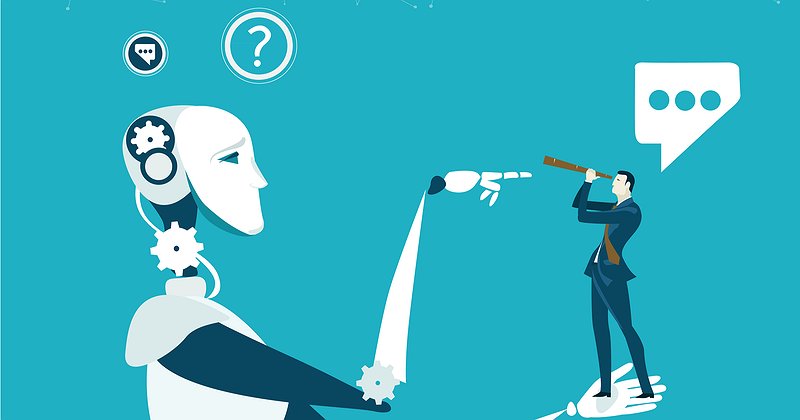
Artificial Intelligence has become a part of everyday life. From smartphones and social media to online shopping and smart home devices, AI quietly operates behind the scenes, making our lives faster, easier, and more connected. Every click, search, voice command, and online interaction is being analyzed to improve user experience and automate modern systems.
But behind the convenience lies a growing concern that many people rarely discuss.
AI is watching.
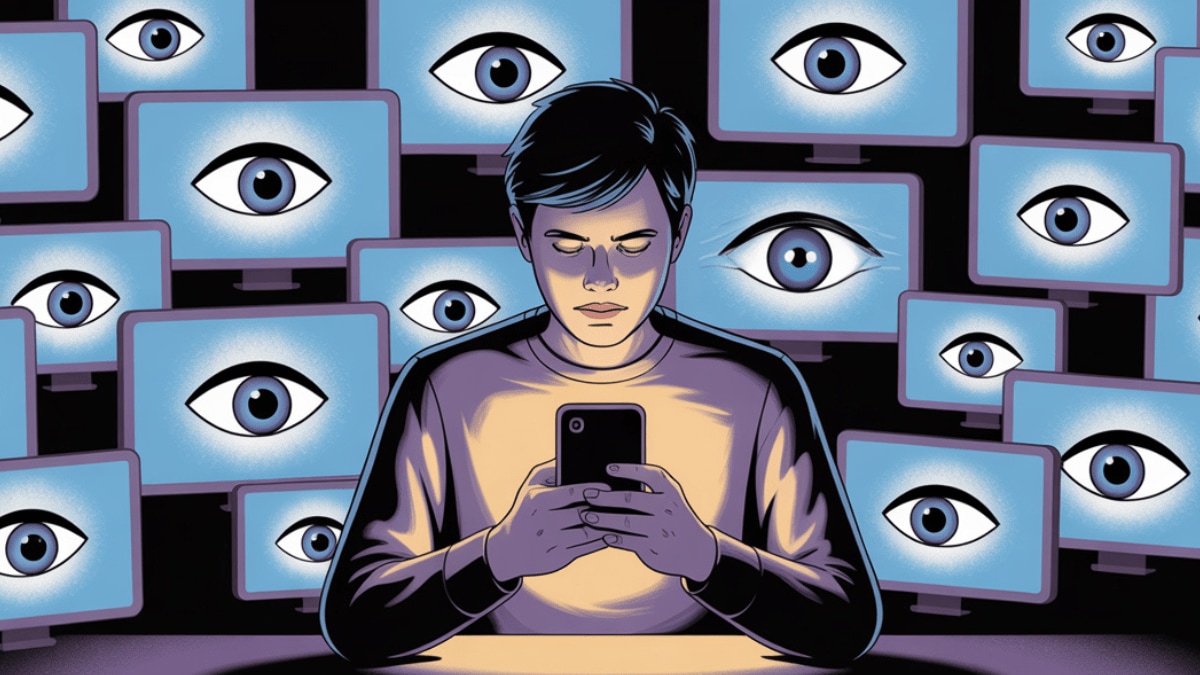
Not in the science-fiction sense of robots taking over the world, but through constant data collection, behavioral tracking, facial recognition, and predictive algorithms that monitor human activity every second. Most users are unaware of how much information they share online or how powerful AI systems have become in understanding human behavior.
As artificial intelligence grows smarter, questions about privacy, control, security, and digital freedom are becoming more important than ever.
This article explores the hidden threats of AI surveillance, how it affects ordinary people, and why society must pay attention before technology moves beyond human control.
How AI Watches You Every Day
Many people believe surveillance only happens through government agencies or security cameras. In reality, AI-powered monitoring exists in almost every digital platform we use daily.
AI systems collect data through:
- Smartphones
- Social media apps
- Search engines
- Online shopping platforms
- Smart speakers
- Fitness trackers
- CCTV cameras
- Facial recognition systems
- Voice assistants
Every interaction creates digital footprints that AI analyzes to understand habits, interests, emotions, and behavior patterns.
For example:
- Social media platforms track what you like, share, and watch.
- Shopping websites analyze your searches and purchases.
- Navigation apps monitor your location history.
- Voice assistants record commands and speech patterns.
Over time, AI builds detailed profiles that may know more about a person than even close friends or family members.
The Rise of Facial Recognition Technology

One of the biggest concerns surrounding AI surveillance is facial recognition.
AI-powered cameras can identify individuals within seconds by analyzing facial features. These systems are now used in:
- Airports
- Shopping malls
- Offices
- Schools
- Public streets
- Smartphones
While facial recognition improves security and convenience, it also creates serious privacy risks.
People can be tracked without their permission, and in some cases, innocent individuals have been wrongly identified by AI systems. Critics argue that mass facial recognition could lead to a future where privacy disappears completely.
Imagine walking through a city where cameras constantly identify where you go, who you meet, and how long you stay somewhere. For many experts, this is no longer imagination—it is becoming reality.
AI and Social Media Manipulation
Social media platforms use AI algorithms to decide what content users see. These systems are designed to maximize engagement by keeping users online for as long as possible.
AI studies:
- Your interests
- Your emotions
- Your scrolling habits
- Your reactions to content
Then it recommends videos, posts, advertisements, and news that are most likely to capture attention.
The hidden danger is that AI can manipulate opinions and behavior without users realizing it.
This can lead to:
- Addiction to social media
- Political manipulation
- Spread of misinformation
- Increased anxiety and depression
- Echo chambers that limit independent thinking
Many people believe they freely choose what they watch online, but in reality, AI algorithms heavily influence digital experiences.
Smart Devices Are Listening
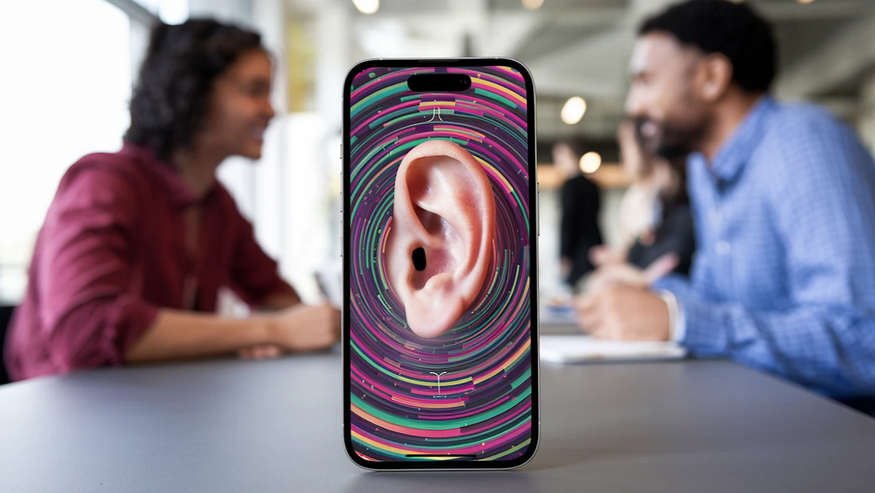
Smart assistants like voice-controlled speakers and AI-powered devices have become common in homes worldwide. These technologies respond to voice commands and automate daily tasks.
However, many users do not realize that these devices continuously listen for activation words.
Although companies claim recordings improve AI performance, concerns remain about:
- Accidental recordings
- Data storage
- Unauthorized access
- Hacking risks
- Privacy violations
There have been reports of private conversations being accidentally recorded and reviewed by human employees for quality improvement purposes.
This raises an important question:
How much privacy are people sacrificing for convenience?
AI-Powered Advertising and Consumer Manipulation
AI analyzes browsing behavior, shopping patterns, and personal interests to predict what users are likely to buy. Companies use this data to influence purchasing decisions through personalized ads.
While targeted advertising helps businesses grow, critics argue that it also manipulates consumer behavior and reduces personal autonomy.
AI systems can:
- Predict emotional states
- Detect spending habits
- Influence buying decisions
- Encourage impulsive purchases
In many ways, AI understands consumer psychology better than consumers themselves.
The Threat of Deepfake Technology
Deepfake technology uses AI to create realistic fake videos, voices, and images. These deepfakes can make people appear to say or do things they never actually did.
The dangers include:
- Fake political speeches
- Celebrity impersonation
- Financial scams
- Blackmail
- Fake news
- Identity theft
As deepfake technology improves, distinguishing reality from manipulation becomes increasingly difficult.
This threatens trust in digital media and could create a future where people question everything they see online.
AI and Job Surveillance
Many workplaces now use AI systems to monitor employees.
AI can track:
- Typing speed
- Productivity levels
- Screen activity
- Attendance
- Communication patterns
Some companies even use AI to predict employee behavior or determine who may leave a job in the future.
While businesses argue that monitoring improves efficiency, employees often feel pressured and constantly watched.
Excessive surveillance can create stressful work environments and reduce trust between workers and employers.
Can AI Become Too Powerful?
One of the biggest fears surrounding AI is the possibility of losing human control over intelligent systems.
Experts warn that highly advanced AI could eventually:
- Make decisions without human oversight
- Manipulate information at massive scales
- Automate cyberattacks
- Influence societies and economies
- Expand surveillance capabilities
Although current AI systems are not self-aware, their growing influence over communication, security, finance, and decision-making raises ethical concerns worldwide.
The challenge is ensuring AI remains a tool that serves humanity rather than controls it.
How to Protect Your Privacy in the AI Era
While completely avoiding AI is nearly impossible today, individuals can take steps to protect their privacy and digital identity.
1. Limit Data Sharing
Avoid sharing unnecessary personal information online.
2. Review App Permissions
Check which apps have access to:
- Microphone
- Camera
- Contacts
- Location
Disable permissions that are not required.
3. Use Strong Privacy Settings
Update privacy settings on social media and online accounts regularly.
4. Be Careful with Smart Devices
Turn off voice assistants when not needed and avoid placing smart devices in private areas.
5. Stay Informed
Understanding how AI systems work is one of the best ways to stay protected.
The Need for Ethical AI
Technology itself is not the enemy. AI has the potential to improve healthcare, education, transportation, security, and scientific research.
However, without proper regulation and ethical boundaries, AI surveillance could threaten:
- Privacy
- Freedom
- Democracy
- Human rights
Governments, technology companies, and society must work together to ensure transparency and responsible AI development.
Important questions must be addressed:
- Who controls the data?
- How is information used?
- Who is accountable for AI decisions?
- How can privacy be protected?
The future of AI should focus not only on innovation but also on ethics and human dignity.
Conclusion
Artificial Intelligence is no longer just a futuristic concept—it is deeply embedded in modern life. From social media algorithms and facial recognition to smart devices and targeted advertising, AI constantly observes, analyzes, and predicts human behavior.
While these technologies offer convenience and innovation, they also introduce hidden threats that many people ignore. Privacy risks, manipulation, surveillance, and deepfake technology are becoming major concerns in the digital age.
The reality is simple:
AI is watching more than most people realize.
As technology continues evolving, society must find a balance between innovation and privacy. Awareness, responsible regulation, and ethical AI development will determine whether artificial intelligence becomes humanity’s greatest tool—or one of its greatest dangers.